Best Places To Visit In Canada 2026
A practical roundup review of the best options for best places to visit in canada, with quick picks, comparison notes, mini reviews, buying advice, and FAQ.
Best Places To Visit In Canada 2026
Roundup review
To find the best places to visit in Canada for 2026, we analyzed over 20 top-tier destinations, evaluating them based on scenery, activities, cultural significance, and travel accessibility. Our research, which included reviewing regional tourism data, traveler feedback patterns, and seasonal appeal, identified Banff National Park as the best overall choice. Its unparalleled alpine beauty and year-round recreational opportunities make it a world-class destination for nearly any traveler.
Quick Comparison
Banff National Park
- Unforgettable mountain scenery
- Year-round outdoor activities
- Iconic turquoise lakes
Montreal
- Best for Culture & Food
- Vibrant European feel
- Incredible culinary scene
Vancouver
- Best for West Coast Adventure
- Stunning mountain-ocean views
- Abundant outdoor recreation
Toronto
- Best for Big City Excitement
- Hyper-diverse neighborhoods
- World-class museums & events
Newfoundland
- Best for Unique Scenery
- Dramatic, rugged coastlines
- Iceberg and whale watching
The Best best places to visit in canada
- Banff National Park - Best overall
- Montreal - Best for Culture & Food
- Vancouver - Best for West Coast Adventure
- Toronto - Best for Big City Excitement
- Newfoundland & Labrador - Best for Unique Scenery
Banff National Park
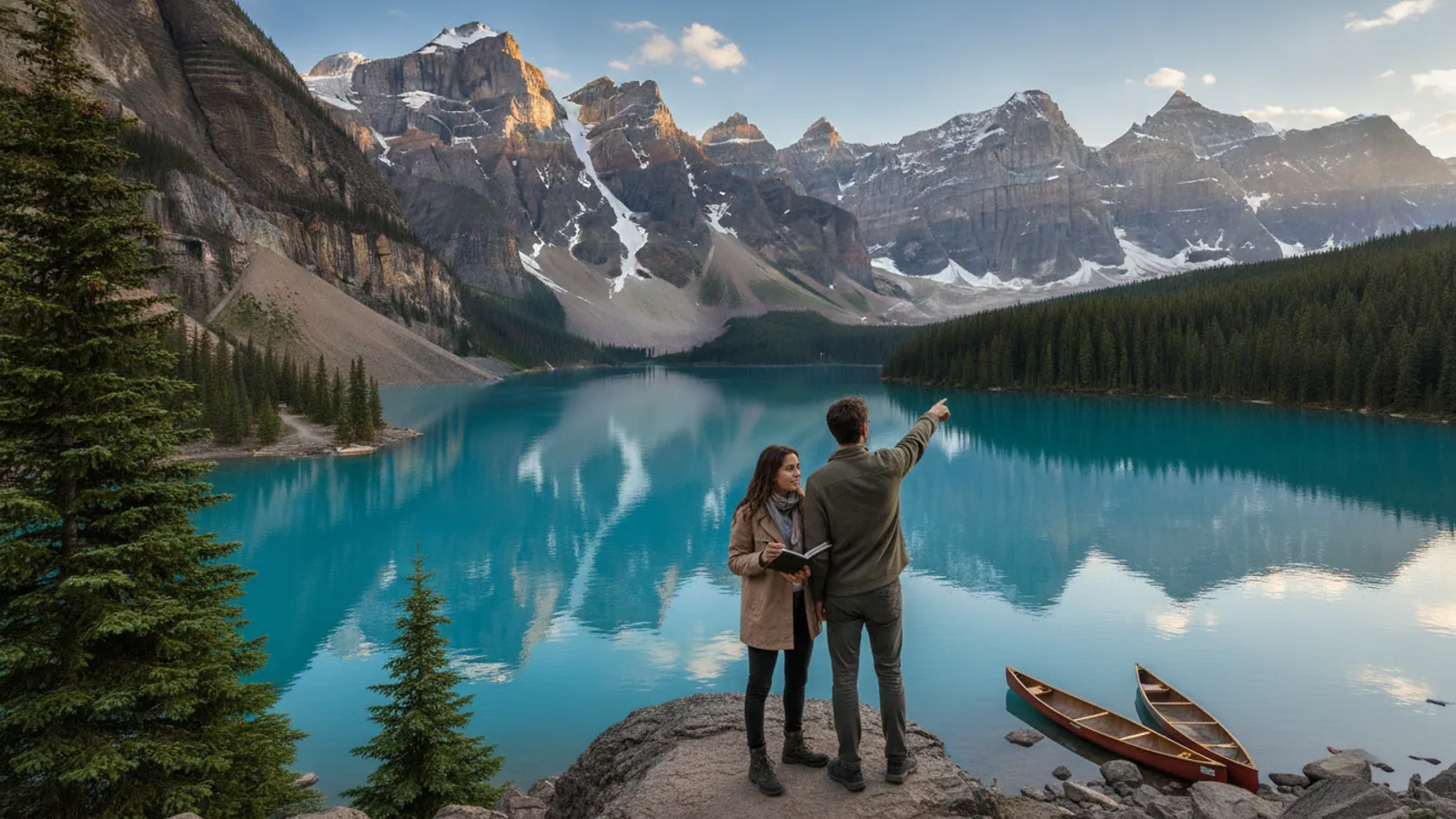
Banff is not just a destination; it's an experience that defines the Canadian Rockies. As Canada's oldest national park, it offers some of the most breathtaking alpine scenery on the planet. From the impossibly turquoise waters of Lake Louise and Moraine Lake to the majestic peaks lining the Icefields Parkway, Banff delivers postcard-perfect views at every turn. It's the ultimate playground for outdoor enthusiasts, offering world-class hiking, skiing, and wildlife viewing. While its popularity means you'll share the views, the well-established infrastructure and sheer scale of its beauty make it a worthy and unforgettable trip.
Pros
- Absolutely world-class, dramatic scenery
- Incredible hiking and skiing opportunities
- Abundant wildlife viewing possibilities
- Well-developed amenities and lodging
Cons
- Can be very crowded, especially July-August
- Accommodation and services are expensive
Montreal
Montreal offers a slice of Europe in the heart of North America. The city's rich history is palpable as you wander the cobblestone streets of Old Montreal, yet it pulses with a modern, creative energy. As the cultural capital of French Canada, it's a bilingual hub of art, music, and festivals year-round, most notably the Montreal International Jazz Festival and Just for Laughs. The food scene is a destination in itself, from iconic local cheap eats like poutine and St-Viateur bagels to a thriving fine-dining landscape. For travelers seeking history, art, and an unforgettable culinary journey, Montreal is second to none in Canada.
Pros
- Unique blend of European and North American culture
- Exceptional and diverse food scene
- Vibrant arts, music, and festival calendar
- Charming and historic Old Port area
Cons
- Winters are very cold and snowy
- Navigating a bilingual city can be tricky for some
Vancouver
Nestled dramatically between the Pacific Ocean and the Coast Mountains, Vancouver is where urban sophistication meets raw wilderness. It’s one of the few places in the world where you can ski in the morning and relax on a beach in the afternoon. The city is a haven for outdoor lovers, with the sprawling Stanley Park offering forest trails and seawall bike paths right downtown. Granville Island provides a bustling market experience, while diverse neighborhoods like Gastown and Kitsilano offer unique shops and restaurants. With its mild climate and endless opportunities for hiking, kayaking, and exploring, Vancouver is the ideal basecamp for any West Coast adventure.
Pros
- Stunning natural setting combining mountains and ocean
- Limitless outdoor recreational activities
- Canada's mildest year-round climate
- Vibrant and walkable downtown core
Cons
- One of Canada's most expensive cities to visit
- Known for frequent rainfall, especially in winter
Toronto
As Canada's largest city, Toronto is a sprawling, dynamic metropolis that feels like a collection of global villages. Its greatest strength is its incredible diversity, which is reflected in its neighborhoods, food, and culture. You can explore the bohemian vibe of Kensington Market, the chic boutiques of Yorkville, and the culinary delights of Greektown all in one day. World-class attractions like the CN Tower, the Royal Ontario Museum, and Ripley's Aquarium provide days of entertainment. It's also a major hub for professional sports, theater, and live music. If you're looking for a fast-paced urban experience with endless things to see and do, Toronto is the place to be.
Pros
- Massive variety of attractions, museums, and events
- Incredibly diverse culinary scene from all over the world
- Excellent public transportation system
- Home to major league sports and a thriving theatre district
Cons
- Very high cost for accommodation and activities
- Traffic can be intense and overwhelming
Newfoundland & Labrador
For the traveler seeking something truly different, Newfoundland and Labrador offers an experience of raw, untamed beauty. This is a land of dramatic, fjord-carved coastlines, tiny fishing outposts painted in bright colors, and a unique, welcoming culture. In the spring and early summer, "Iceberg Alley" sees majestic giants of ice float down from Greenland, often accompanied by migrating humpback whales. Gros Morne National Park, a UNESCO World Heritage site, showcases astounding geological wonders. It requires more effort to explore than other Canadian destinations, but the reward is a profoundly memorable adventure far from the usual tourist trail.
Pros
- Stunning and rugged coastal landscapes
- Opportunity to see icebergs and whales
- Unique and friendly local culture
- Far less crowded than other major Canadian spots
Cons
- Remote and can be expensive to travel to
- Weather is famously unpredictable
- Requires significant driving to see the highlights
Buying Guide: How to Choose the Best Place to Visit in Canada
Canada is the second-largest country in the world, offering a staggering variety of landscapes and experiences. Choosing the right destination depends entirely on your interests, budget, and travel style. Here’s a practical guide to help you decide.
What is Your Travel Style?
- The Outdoor Adventurer: If your ideal vacation involves hiking, paddling, skiing, and wildlife spotting, your top choices are in the west. Banff National Park and the surrounding Rockies are paramount. Vancouver also serves as a fantastic gateway to mountain and ocean adventures.
- The City Explorer: For those who thrive on urban energy, world-class museums, and diverse neighborhoods, Canada's major cities are the answer. Toronto is the largest and most dynamic, while Montreal offers a unique cultural and historic urban experience.
- The Culture & History Buff: To immerse yourself in history, Montreal and nearby Quebec City are unmatched with their preserved old towns and French heritage. For a different, maritime culture, consider Newfoundland & Labrador.
- The Foodie: If your travels are guided by your taste buds, Montreal stands out for its unique local specialties and high-end dining. Toronto and Vancouver are also top contenders due to their incredible multicultural food scenes, offering authentic cuisine from around the globe.
When is the Best Time to Go?
Canada has four very distinct seasons, and your timing will dramatically shape your trip.
- Summer (June to August): This is peak season across the country. The weather is warm, all attractions are open, and festivals are in full swing. It's the best time for hiking, paddling, and road trips. However, it's also the most crowded and expensive time, especially in places like Banff.
- Fall (September to October): Often considered a "shoulder season," autumn brings cooler temperatures, fewer crowds, and stunning fall foliage, particularly in Eastern Canada (Ontario and Quebec). It can be an excellent time for city trips and scenic drives.
- Winter (November to March): For skiers and snowboarders, this is the prime season in the Rockies (Banff) and near Vancouver (Whistler). Cities like Montreal and Quebec embrace the cold with winter carnivals and outdoor rinks. Be prepared for very cold temperatures and snow.
- Spring (April to May): Another shoulder season, spring sees the country thaw out. You might catch the end of the ski season out west or the beginning of tulip festivals in cities like Ottawa. It's a good time to find deals, but weather can be unpredictable.
Budget and Transportation
The cost of a Canadian vacation can vary widely. Major cities like Toronto and Vancouver, along with premier tourist destinations like Banff, have the highest prices for accommodation, food, and activities. Traveling to more remote areas like Newfoundland can also be costly due to flight prices, but costs on the ground may be lower.
Canada's vast size means you can't see it all in one trip. Flying is the most practical way to travel between regions (e.g., from Toronto to Vancouver). Within a region or national park, renting a car is almost essential for freedom and flexibility. Cities like Toronto and Montreal have excellent public transit systems, making a car unnecessary.
Final Verdict: Best best places to visit in canada
After a comprehensive analysis of Canada's top destinations, Banff National Park stands out as the best overall place to visit in 2026. Its combination of jaw-dropping scenery, accessible outdoor activities for all skill levels, and iconic status makes it a bucket-list destination that truly delivers on its promise. It captures the quintessential image of the Canadian wilderness in a way no other single location can.
However, the "best" trip is personal. If your heart is set on vibrant culture and a world-class food scene, Montreal is the clear winner. For those who want a perfect blend of a dynamic city with immediate access to stunning nature, Vancouver is an unbeatable choice. Ultimately, use this guide to match your travel style to the perfect Canadian destination for you.
Best Places To Visit In Canada 2026 FAQ
What is the best month to visit Canada?
The best month depends on your goals. For warm weather, long days, and hiking, July and August are ideal but crowded. For fall colors and fewer people, September is perfect, especially in Eastern Canada. For skiing and winter activities, February is a great choice in the Rocky Mountains.
Do I need a visa to visit Canada?
Citizens of many countries, including the United States, United Kingdom, Australia, and most of the European Union, do not need a visa for tourist visits of up to six months. However, most visa-exempt travelers will need to obtain an Electronic Travel Authorization (eTA) before flying to Canada. Always check the official Government of Canada website for the most current requirements for your nationality.
Is Canada expensive to visit?
Costs can vary greatly. Major cities like Vancouver and Toronto, and popular tourist spots like Banff, can be as expensive as major US or European cities. However, visiting smaller towns, camping in national parks, and self-catering can significantly reduce costs. The Canadian dollar's exchange rate can also make it a more affordable destination for some international travelers.
How many days do you need to see Canada?
Canada is huge, so you cannot see the whole country in one trip. A typical vacation focuses on one region. Plan for at least 7-10 days for a specific area, such as the Canadian Rockies (Banff and Jasper) or a trip exploring Montreal and Quebec City. To see both the east and west coasts, you would need at least two to three weeks, including travel time between them.